The Content + Design Playbook
Building a framework for design-driven storytelling at scale.
My Role
As Design VP of the Forbes Content & Design Studio, I led the creative direction, design systems, and operational frameworks that allowed the Studio to scale and generate $20M+ YOY across 250+ clients while still producing creative, thoughtful, and innovative storytelling experiences on Forbes.com and social. This case study covers the the philosophy I codified, the production system I built, the creative network I shaped, and the direction I led day to day.
The Challenge
As the Studio scaled, designers and editors were operating from different instincts, freelancers needed clearer creative direction, and production was slowing under the weight of inconsistency. We needed a shared creative language, one that could hold across partnerships with brands, across formats, and the dozens of people who would touch any given project.
A Philosophy, Codified
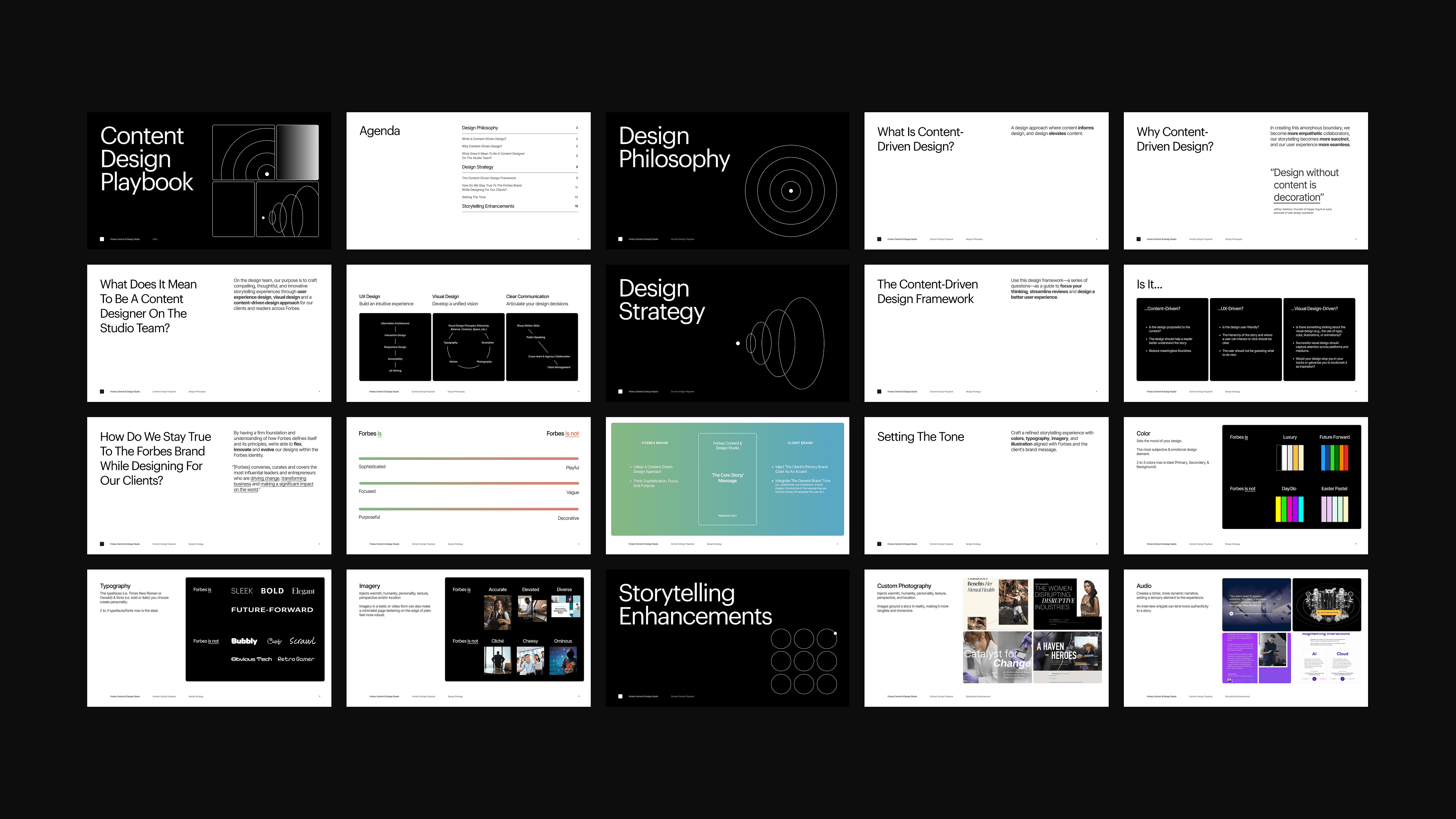
I developed the Content + Design Playbook to formalize the Studio's purpose in crafting compelling, premium, and innovative content-driven experiences rooted in user experience design. It encompasses the design philosophy, design strategy, and library of storytelling enhancements I've cultivated and built as the Studio's work, scope, and members grew.
At the heart of the playbook is a three-layer design framework that became the shared language of the team:
Content-Driven: Is the design purposeful to the content? Does it help the reader better understand the story? Meaningless flourishes get cut.
UX-Driven: Is the design user-friendly? Is the hierarchy clear? The reader should never have to guess what to do next.
Visual Design-Driven: Is there something striking — in type, color, illustration, motion — that stops a reader mid-scroll? Would you bookmark this for inspo?
The framework became the lens for every review and new product idea. It gave designers and editors a shared vocabulary for what "good" meant, and it gave me a consistent way to give clarity, raise standards, and protect the vision.
A Production System That Scaled
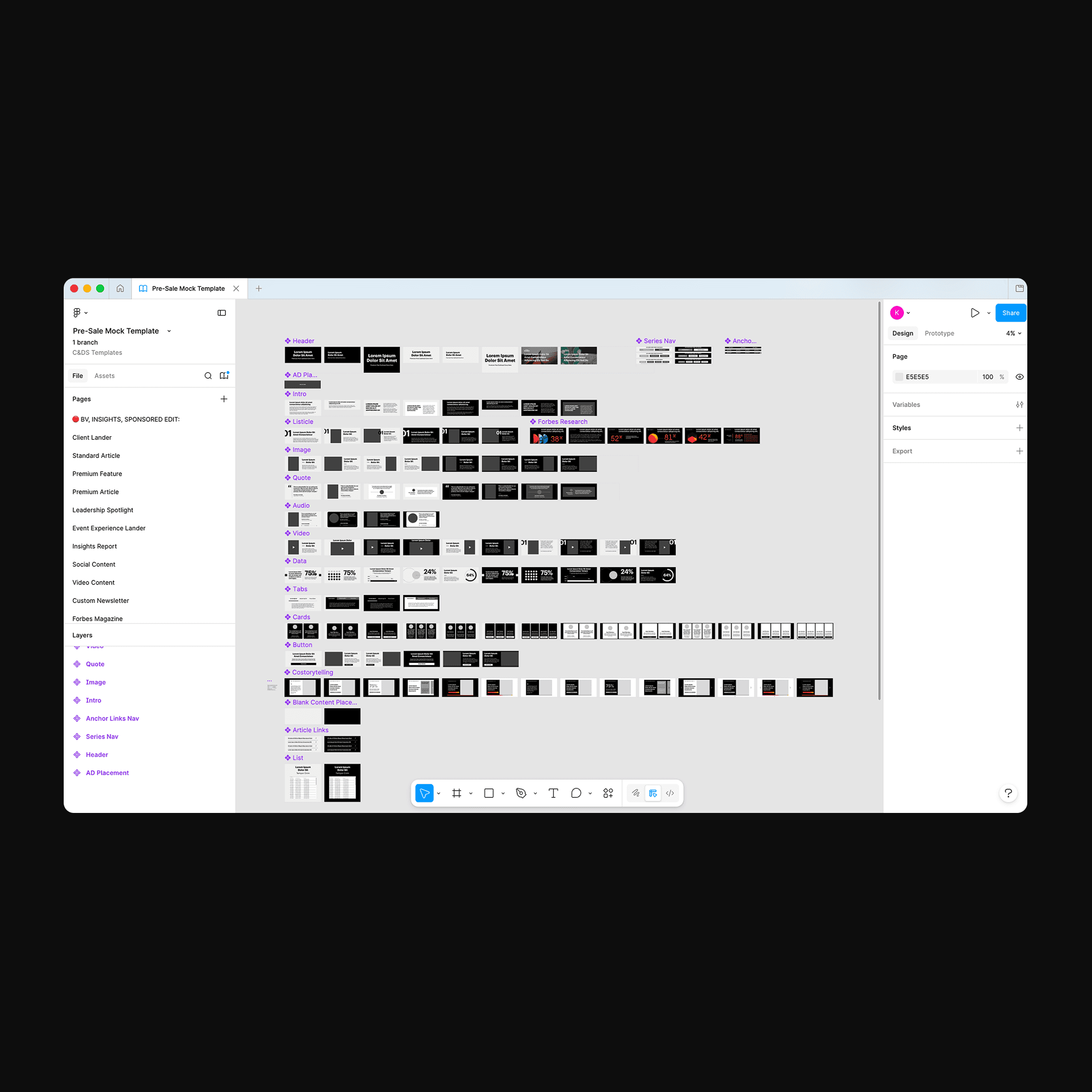
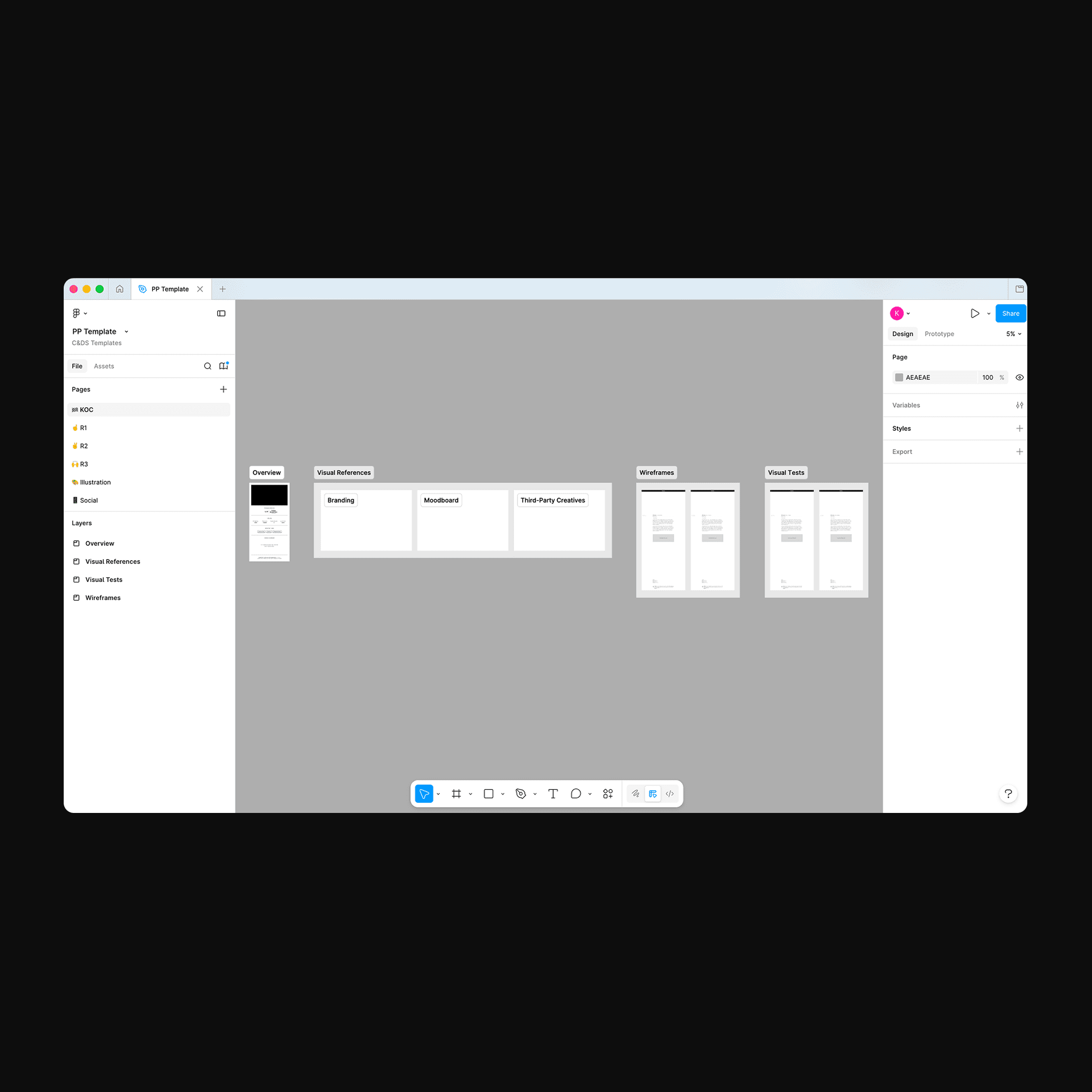
The philosophy needed infrastructure. I led the development of a Figma design system alongside my team, translating the playbook's principles into reusable components, templates, and patterns that streamlined production across the full range of branded content products the Studio produced.
We leveraged Figma features like auto layout, components, and variants to maintain baseline uniformity with room to flex as needed. This system helped us execute in post-sale as well as across ~1,600 pre-sale mocks in 2025 alone.
It cut handoff friction, standardized quality, and gave designers a foundation they could build on rather than rebuild from scratch. The system became the connection between content-driven design thinking and design execution.
Pre-Sale Figma Template
Post-Sale Figma Template
A Creative Network, Uplifted
Scaling the Studio meant scaling the voices behind the work. Rather than treating freelancers as purely production, my team and I built our network of illustrators, motion designers, photographers, and other specialists as an extension of the creative team, one whose range of perspectives made the storytelling richer.
Creative Direction, Day to Day
My role as a leader was to support and uplift each designer in service of the team's purpose, reinforcing the playbook's philosophy, and encouraging growth in craft and communication.
I empowered designers to solve problems autonomously, trained the team to master context, and protected space for curiosity and experimentation through monthly Innovation Labs where I set challenges to refresh parts of our products and processes.
The work didn't stop with designers. I trained editors on the playbook so the philosophy lived on both sides of the partnership, and as designers internalized the framework, they began carrying it into their own brainstorms with editors, teaching this way of thinking outward.
Selected Works
The work below is just a slice of the campaigns that put the playbook into practice. I led creative direction across each project, guiding designers and editors to balance client goals with Forbes' editorial sophistication, and to push the boundaries with purpose.
Gran Coramino • Spirits
Native Advertising Institute 2025 Best Retail Program — Gold

Microsoft x Adobe • Enterprise Tech
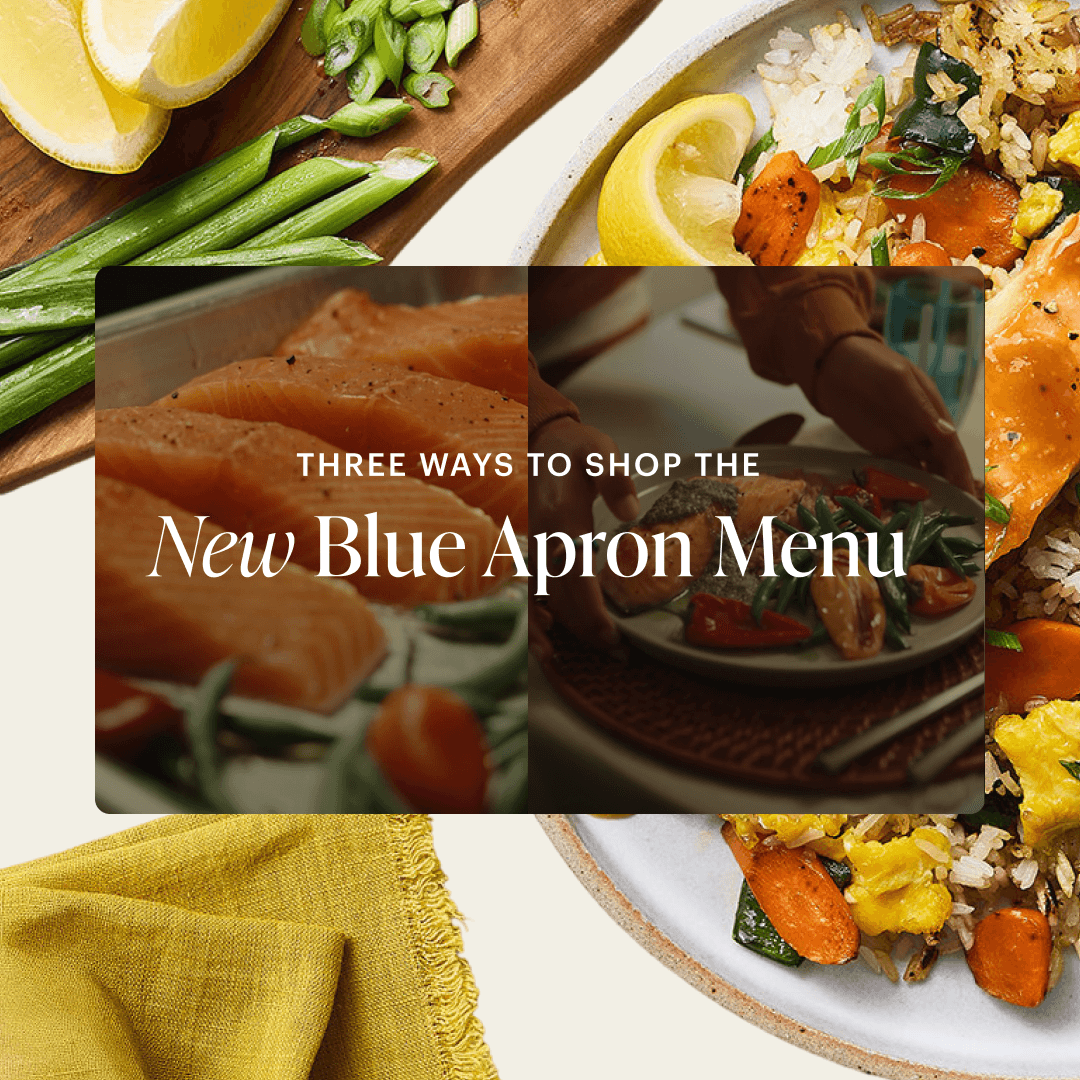
Blue Apron • E-Commerce
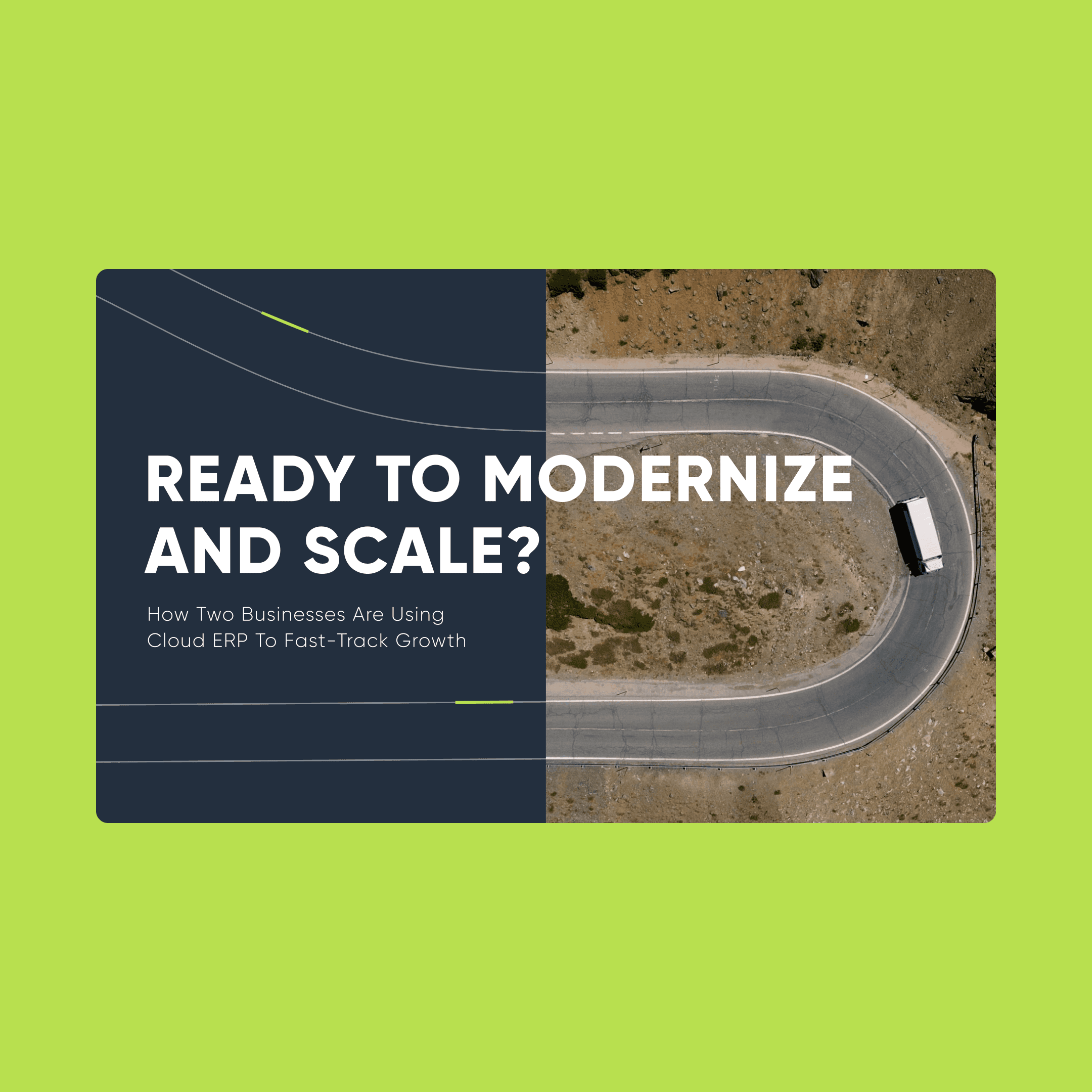
AWS • Enterprise Tech
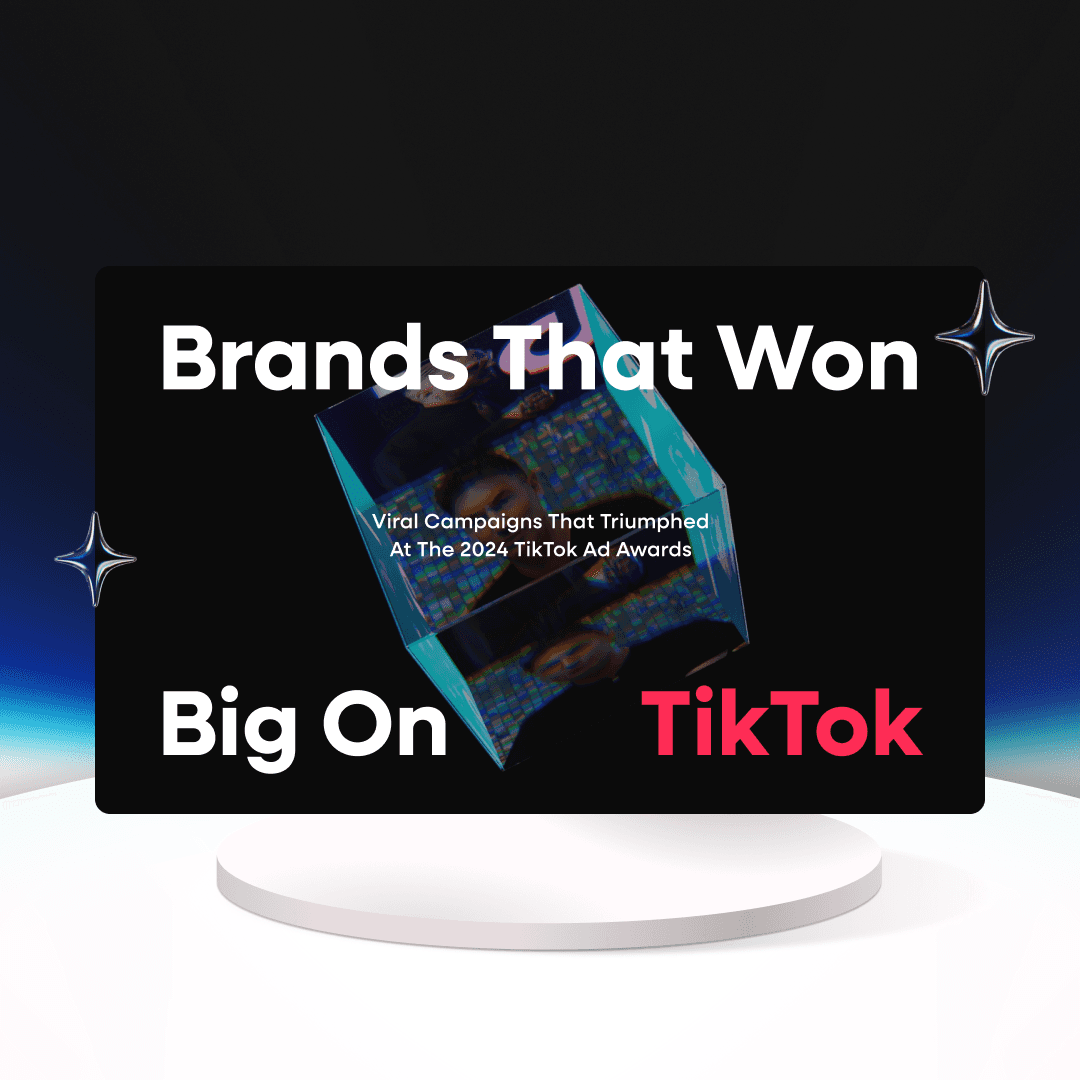
TikTok • Social Media
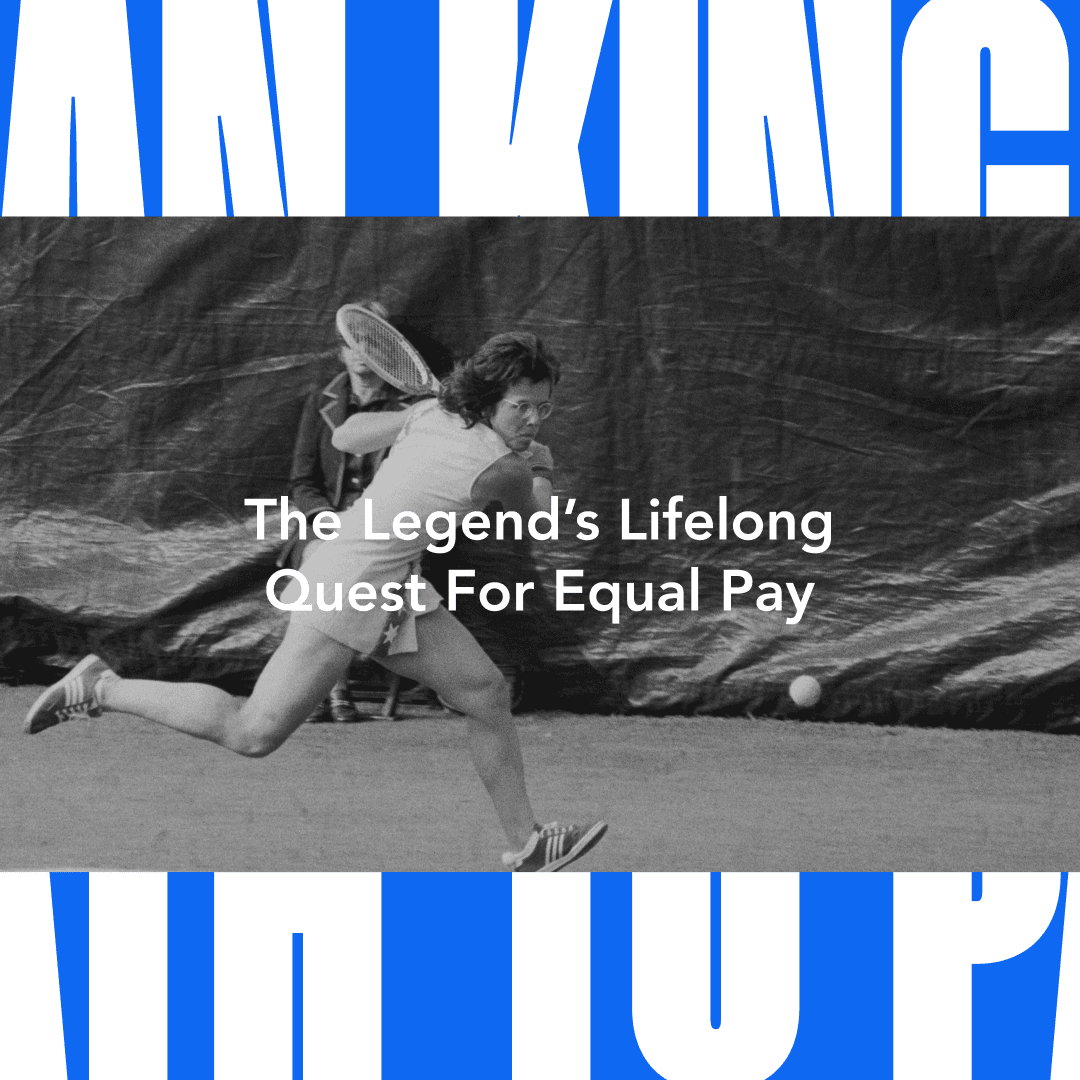
Gainbridge • Financial Services
Clé de Peau Beauté • Luxury

McDonald's • Franchise
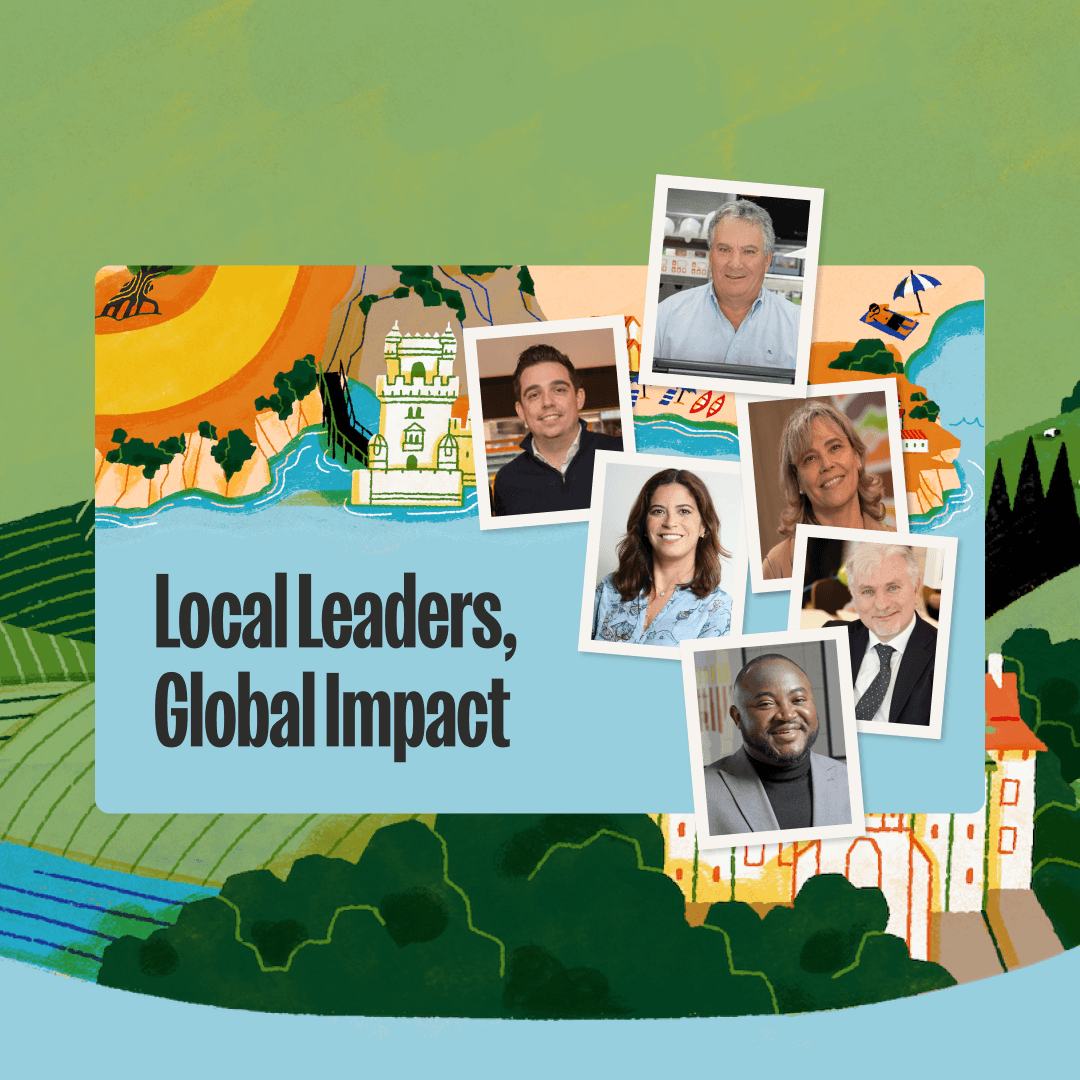
Cartier • Luxury
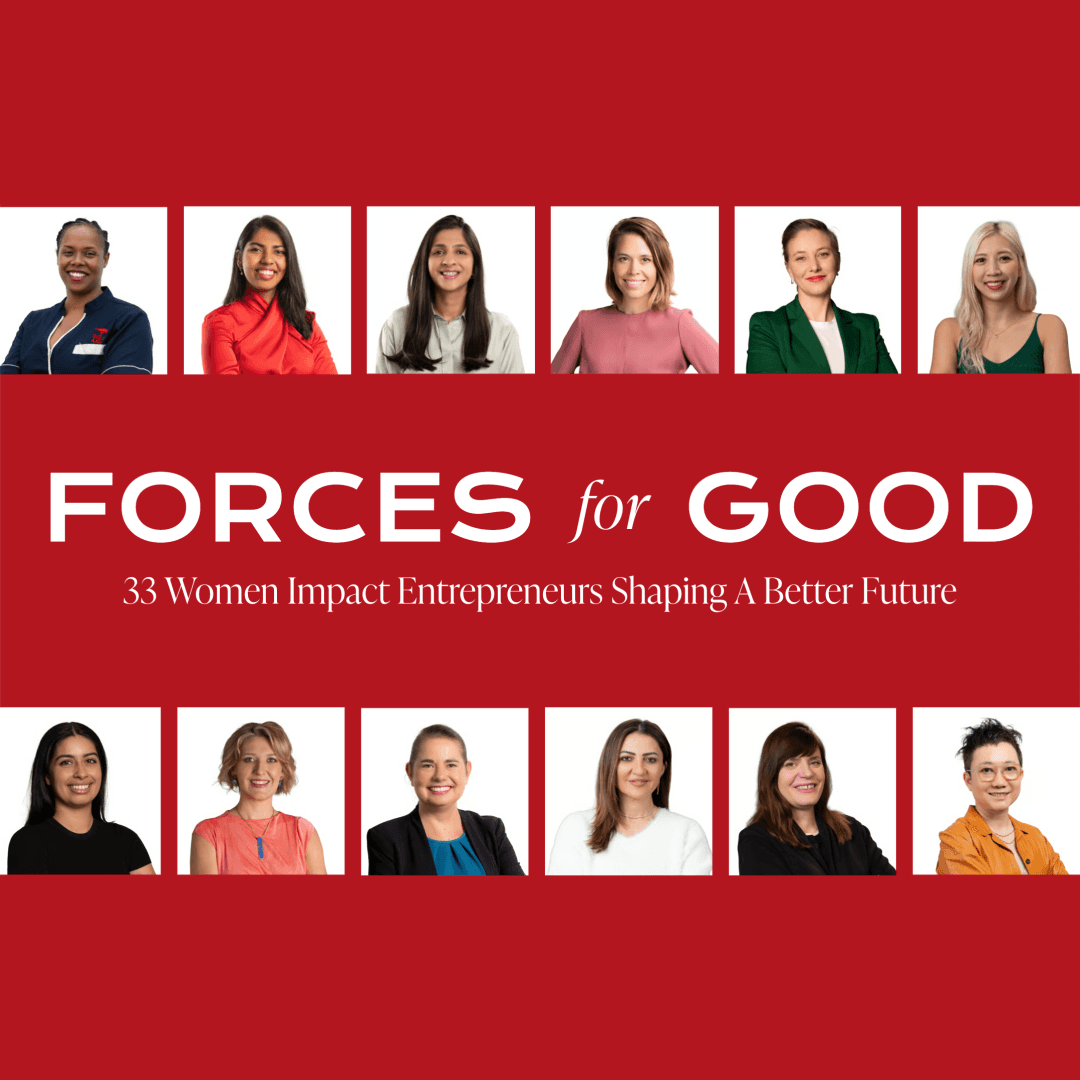
Intel • Enterprise Tech
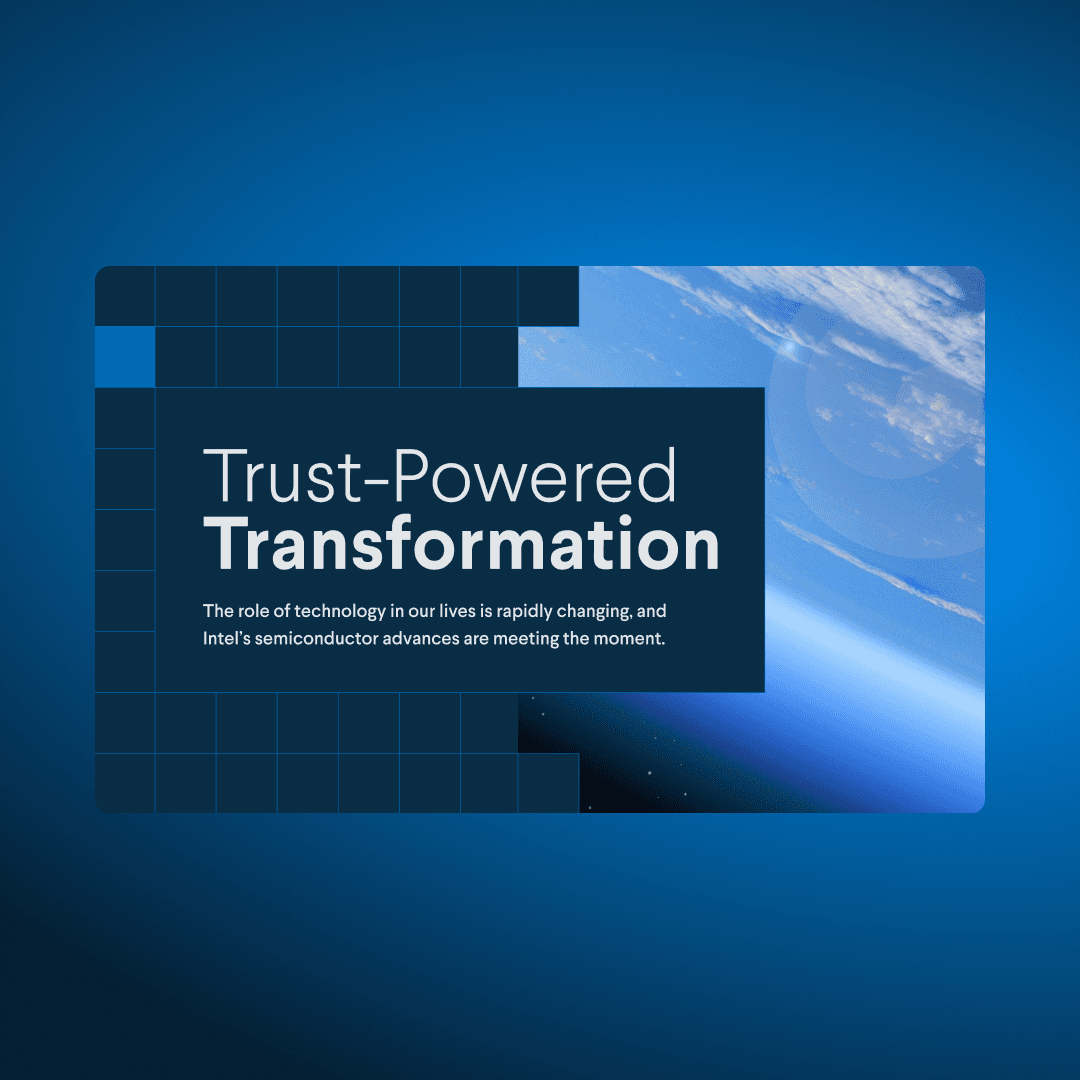
Webby 2024 Advertising, Media & PR: B2B — Nominee
Athene • Financial Services
Financial Communications Society's Portfolio Awards: Branded Content Articles/Infographics — Gold
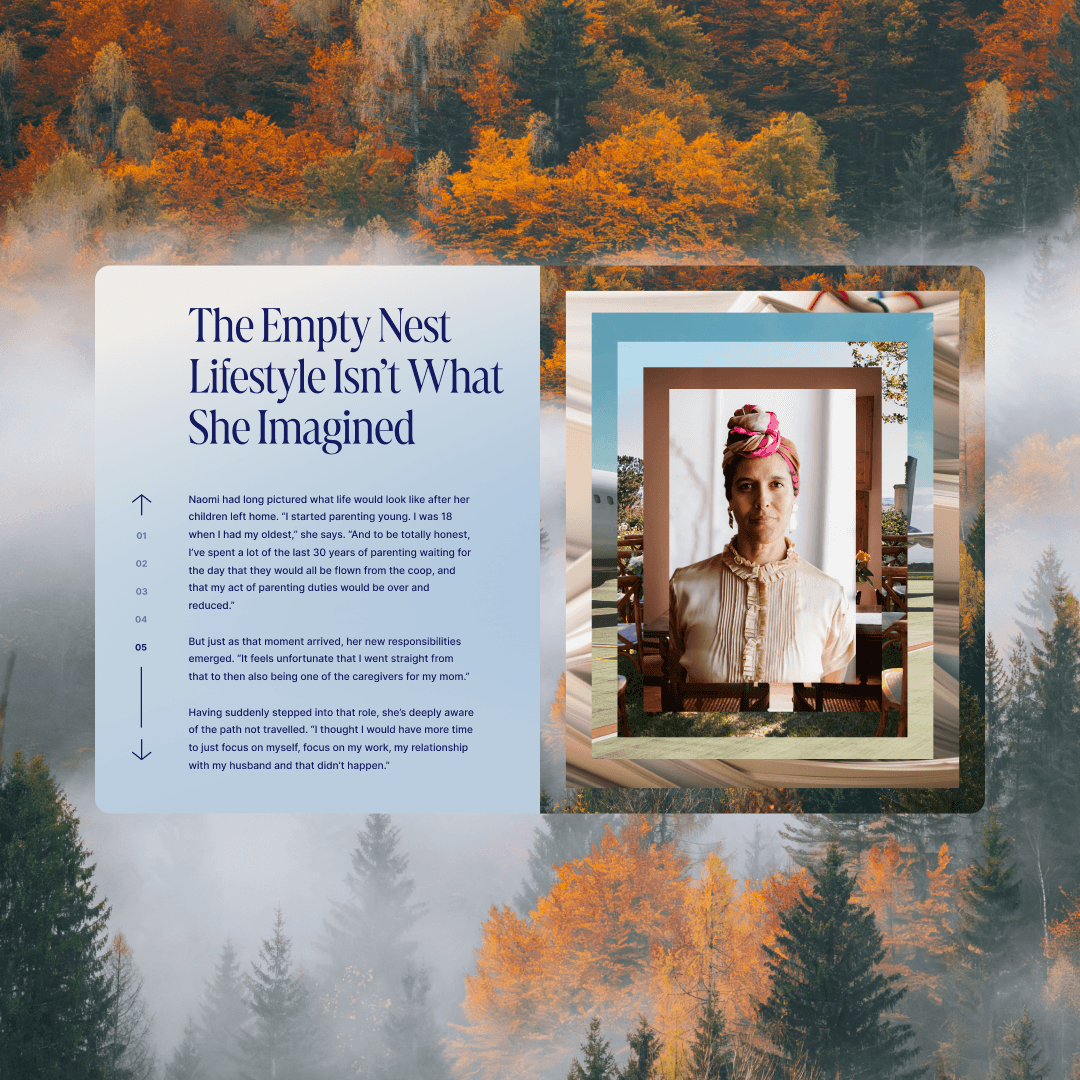
HPE • Enterprise Tech